
The Part of Pricing No One Can Explain to You

On surplus, scarcity, and the quiet cost of a market built on unfamiliarity.
Ask any contractor in Lagos what a bag of cement costs this week, and you’ll get an exact figure, because the price is the one number on a project that everybody watches and nobody forgets. Ask that same contractor what that bag cost at the factory gate, before it began its journey through the hands that carried it to a site, and the conversation goes quiet, because the figure is not one the market is designed to reveal. High prices aren’t the most surprising thing about Nigeria’s construction materials trade, but that buyers often have no way of knowing how much they’re actually paying for the material.
Consider what the last few months have looked like from the buyer’s side. A bag of cement that sold for around nine thousand naira in December of 2025 moved to ten thousand by January, 2026 and then to as much as eleven and a half or twelve thousand in some markets by April of 2026. Every explanation offered pointed outward, to diesel and the exchange rate, all of which are real and none of which a builder can argue with at the point of sale.
A buyer who can receive a truckload of 600 bags of cement in one order can secure a price close to what the depot charges, but that door is closed to almost everyone building a single house or running a mid-sized site. So, the small and medium builders are pushed back into a retail market where, by the sellers’ own admission, most of them are not buying from the manufacturer either but from an intermediary, and often from another one beyond that. Each layer adds a margin that is real to the person taking it and invisible to the person who eventually pays it.
By the time the bag reaches the site, its price reflects the honest cost of clinker, fuel, and transport, and, on top of that, a series of fees for every hand that touched it and every relationship the buyer was never part of. He pays it all as a single figure, and because it arrives as a single number, he has no way to distinguish the cost he willingly accepts from the cost he bears simply because he cannot see far enough up the supply chain to question it.
The money is what everyone notices, but it is not the most expensive thing lost in that exchange. When you cannot see where your material came from, you also lose the ability to answer the questions that matter most on the day something goes wrong. You cannot say with any certainty which plant produced the cement now cracking beneath a slab, whether the bag that failed was ever what its label claimed, or whether, somewhere along the supply chain, someone confident it would never be traced back to them made a substitution.
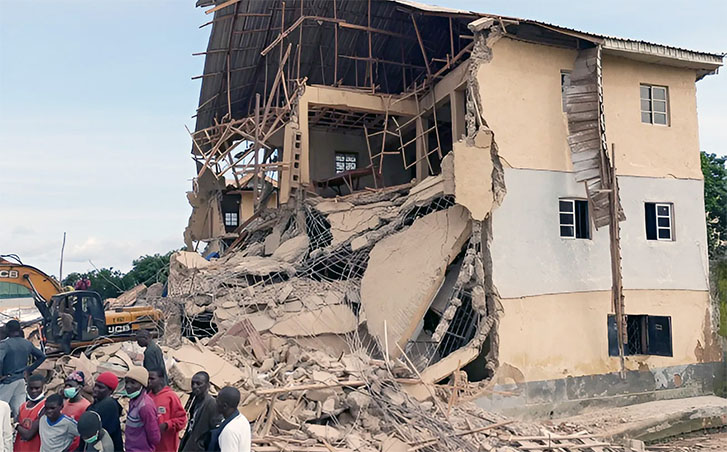
This is the cost that doesn’t appear on any invoice, and it is the one that lands hardest, because when a structure fails, it is the contractor’s name that gets spoken and the developer’s reputation that carries it, even when the failure was quietly purchased months earlier at a counter where the real question, the one about origin and proof, was never once on the table. Opacity feels comfortable right up until the moment it becomes catastrophic, and by then the chain that hid the answer has long since dissolved.
Removing the layers that quietly inflate pricing and erase proof is the whole premise Build Africa was built on, but the more important thing here is not who does it, but that it can be done at all. The moment you know it can be done, the price you have been paying stops being a fact and becomes a choice that someone, somewhere, made on your behalf.
So, the next time a quote lands in front of you, and the number is higher than it was the month before, it is worth asking a different question than the one the market has trained you to inquire Ask who you are really buying from, who they, in turn, bought from, and how many hands are standing between your site and the factory that made the very thing you are about to build your name on.
You may find the price is fair. You may find that much of it is not. Either way, the moment you begin asking questions is the moment obliviousness stops being something that simply happens to you and becomes something you are no longer willing to pay for.
Blog
This section provides an overview of the blog, showcasing a variety of articles, insights, and resources to inform and inspire readers.
-
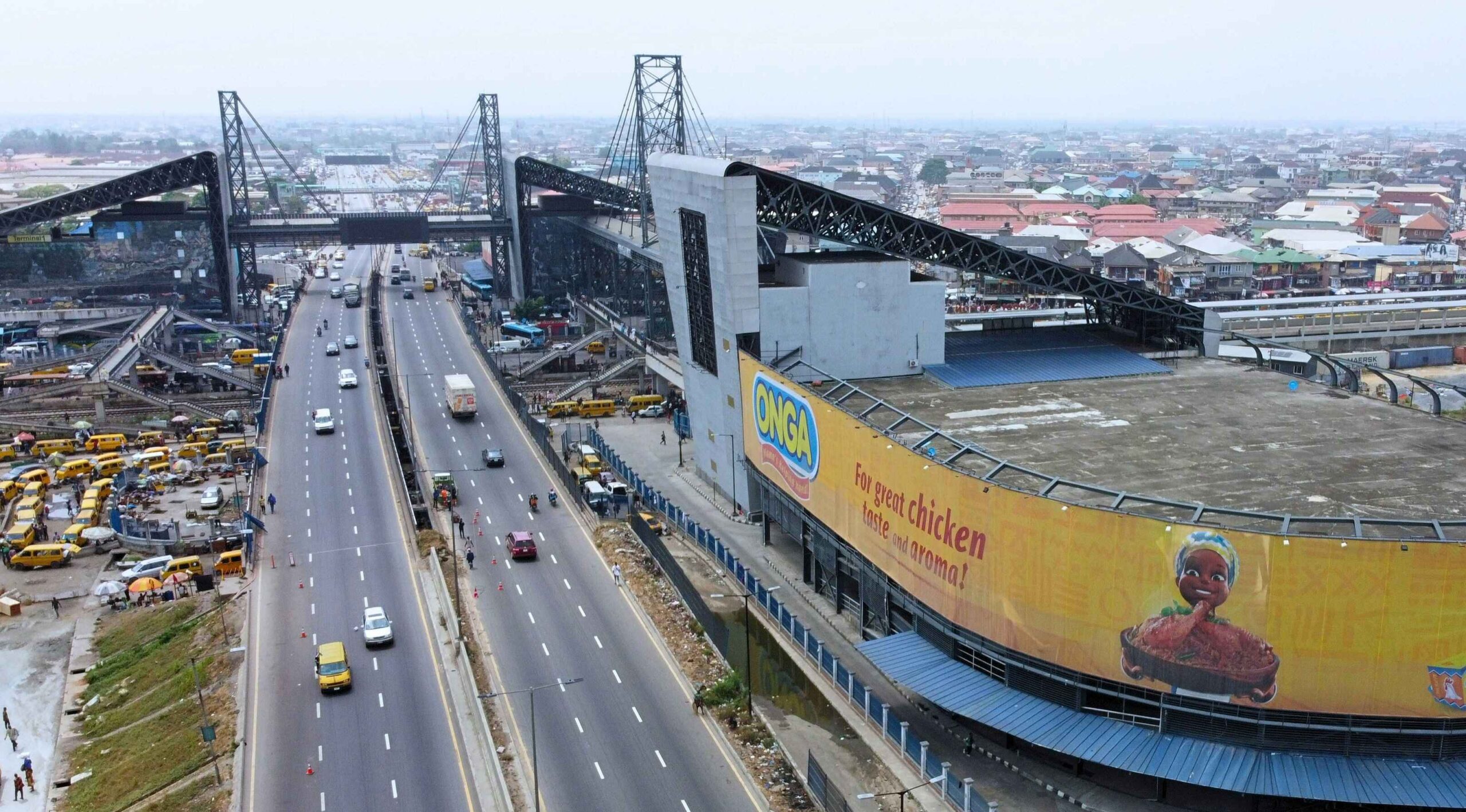
The Part of Pricing No One Can Explain to You
On surplus, scarcity, and the quiet cost of a market built on unfamiliarity. Ask any…
-
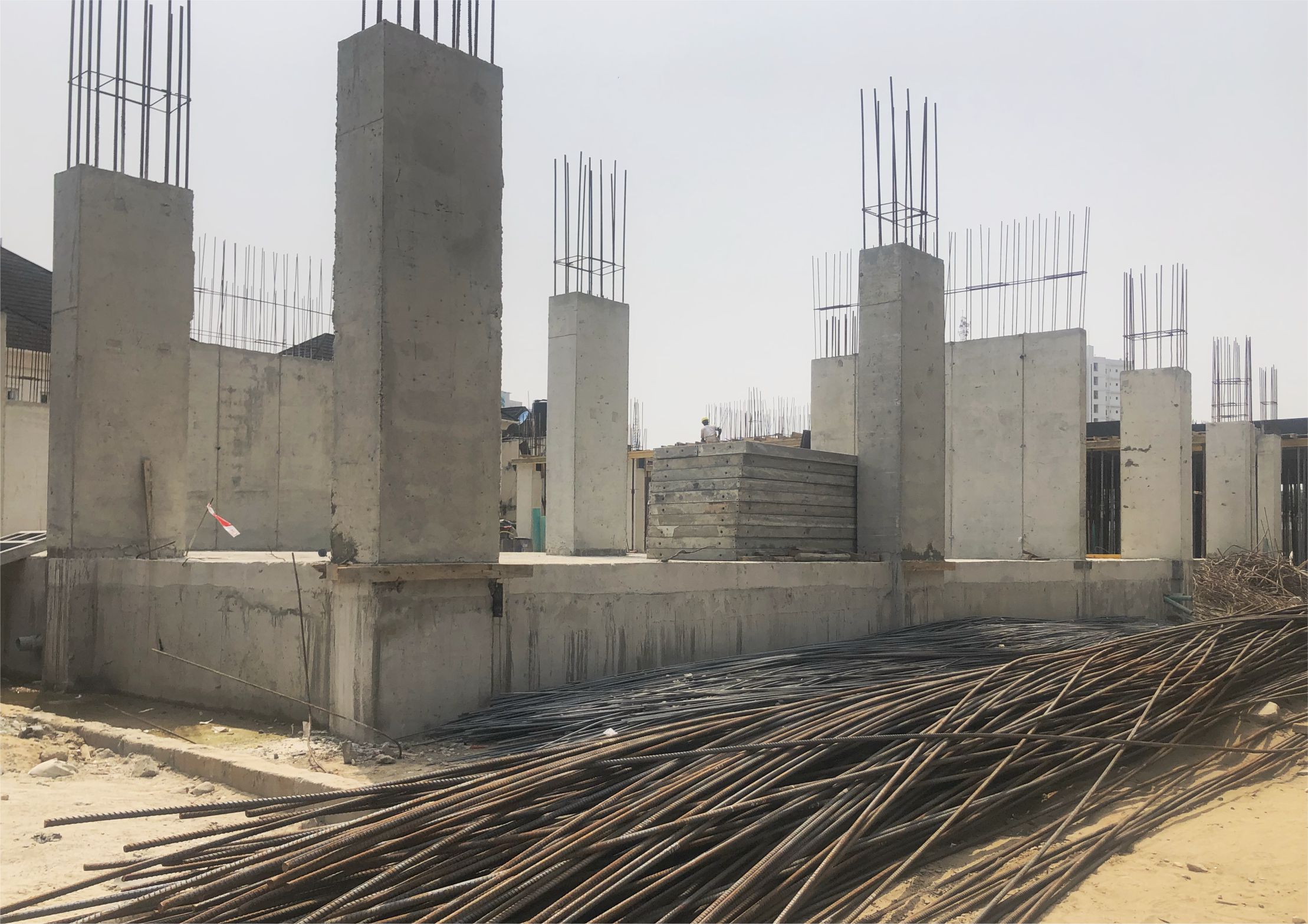
The Definitive Guide to Building in Nigeria in 2026: What to Expect at Every Stage
Most builders in Nigeria start with a budget and a plan.Most run out of both…
-
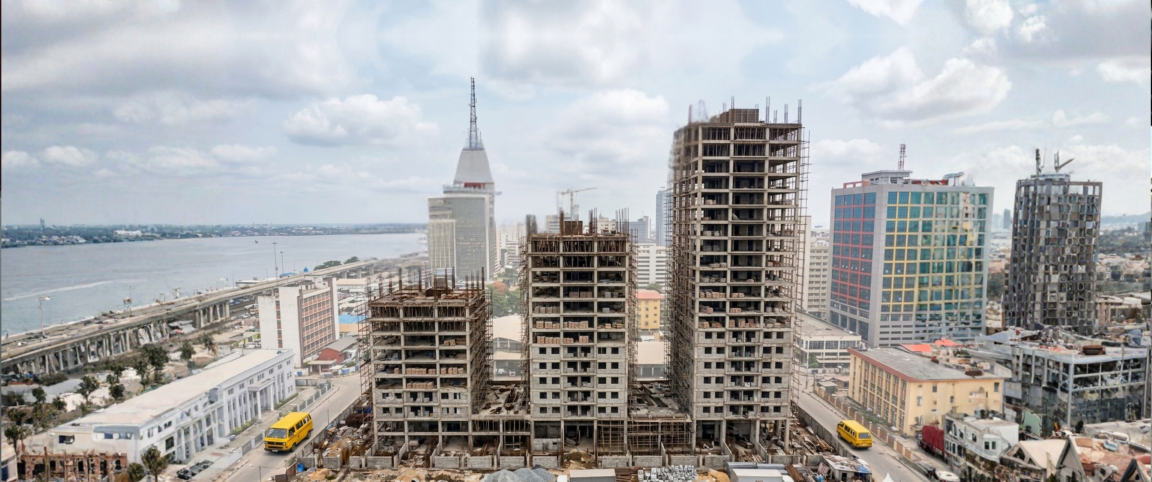
Building Materials Cost in Nigeria Is Rising Fast. Here Is What Every Builder Needs to Know
Cement prices have surged over 100% in Nigeria. Here’s what’s driving the building materials cost…
